

Time to Act Early: Why Humanitarian Aid Organizations Must Accelerate Adoption of Early Warning Systems
Disasters are often predictable, yet the humanitarian sector continues to operate primarily in reactive mode, responding after catastrophes strike rather than acting on warnings that could prevent the worst impacts. This pattern persists despite clear evidence that early action saves both lives and resources…

Anticipatory Action: A New Paradigm for Humanitarian Response
The humanitarian sector stands at a critical juncture. While traditional emergency response has saved countless lives, mounting evidence reveals fundamental weaknesses in how we manage climate risk today. Across humanitarian NGOs, government agencies, and commercial insurance providers, a convergence of factors is driving an urgent reassessment of conventional approaches…
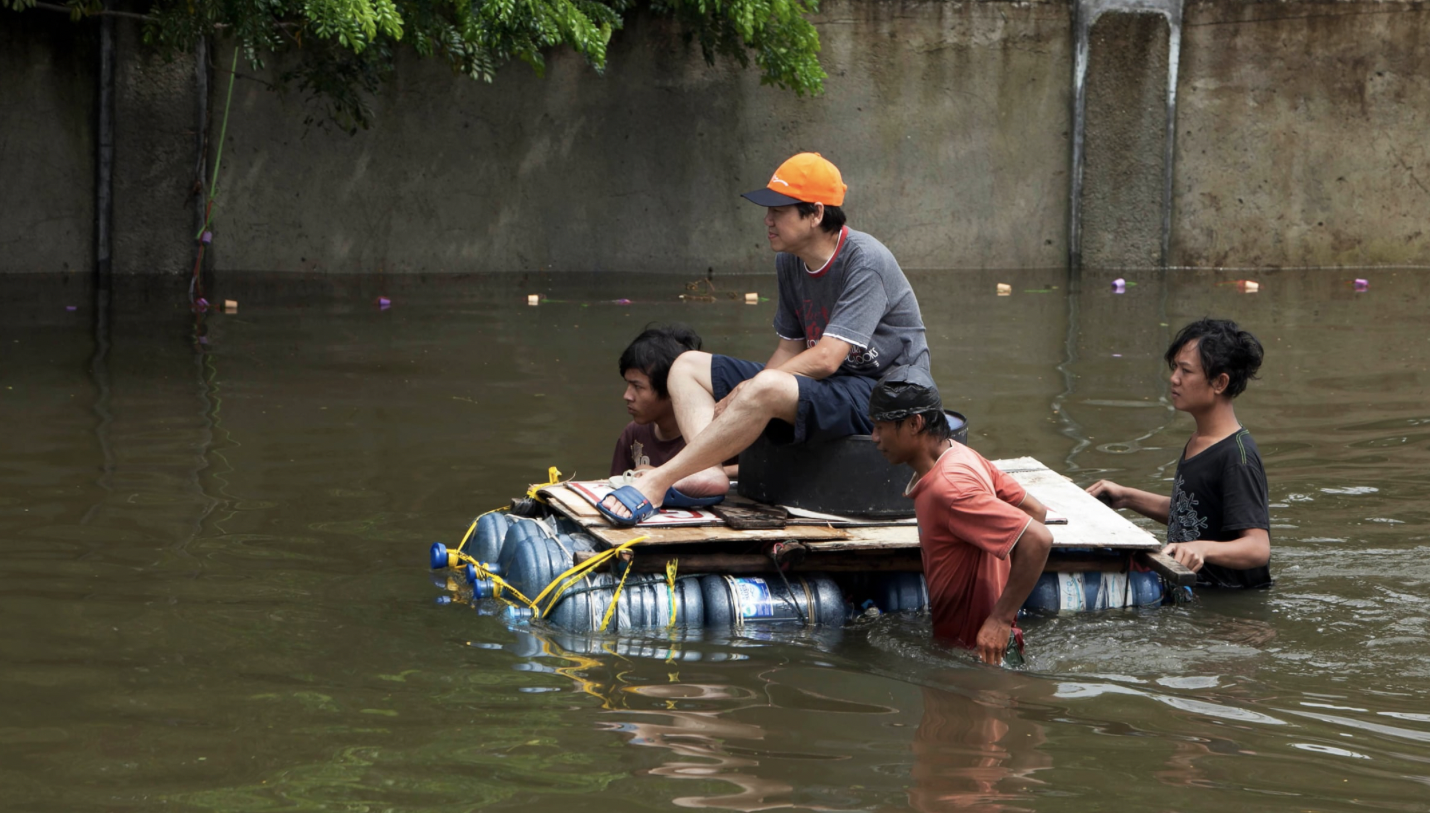
Breaking the Flood Response Cycle: The Game-Changing Technology That Turns Rainfall Data Into Life-Saving Early Action
Imagine knowing exactly when a flood will hit—not just where, but when—with enough precision to save lives and protect communities before disaster strikes. This isn't wishful thinking anymore. Every year, flood disasters affect over 250 million people globally. Humanitarian organizations pour billions into responding to natural disasters that could have been prevented with early warning systems…
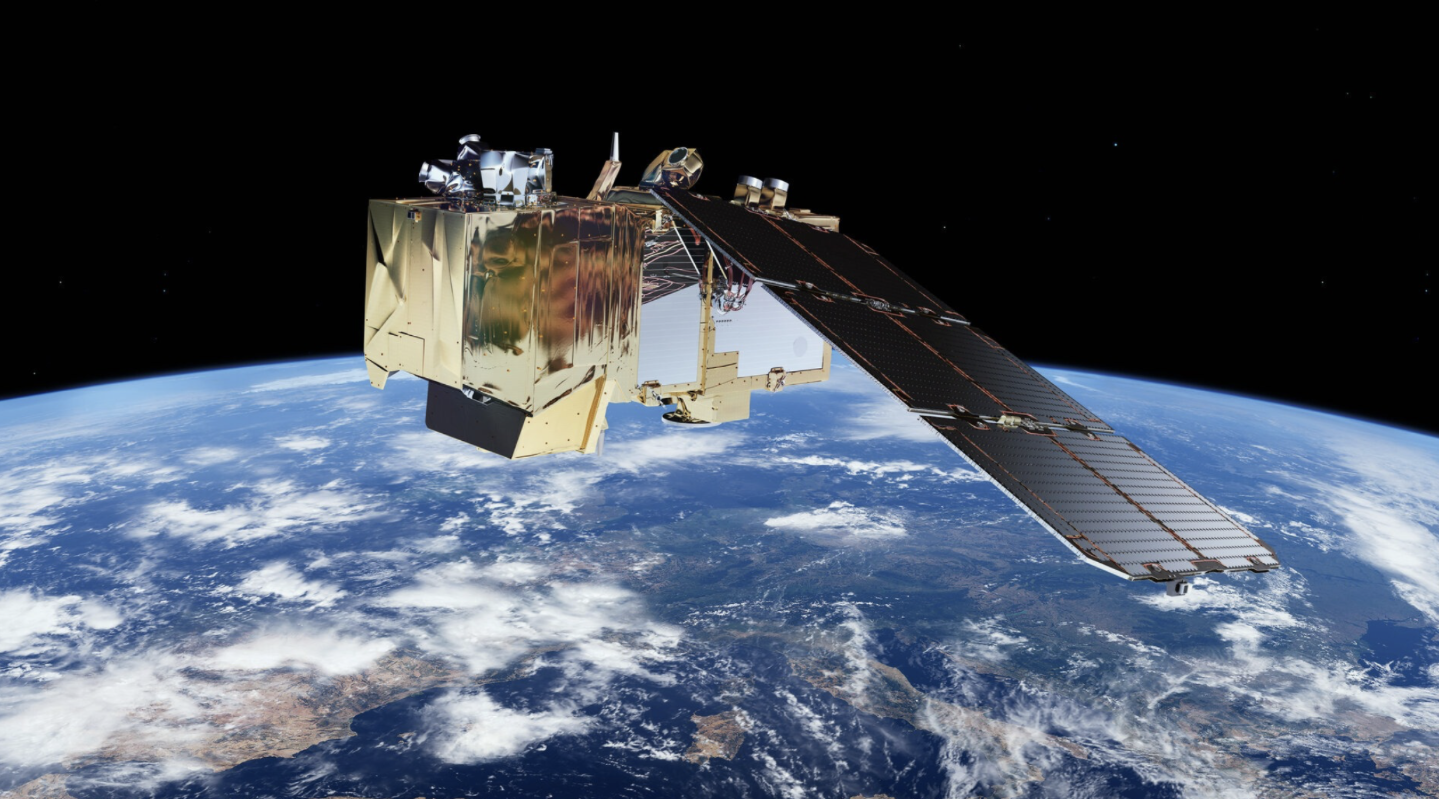
How GreenAnt's Desidera Platform Leverages Sentinel Satellite Technology (Part 2 of 2)
We’ll enumerate some of the transformative applications of Desidera, from crop monitoring and yield estimation to deforestation tracking and disaster response. Discover how GreenAnt is revolutionizing agriculture and environmental management with cutting-edge satellite technology…
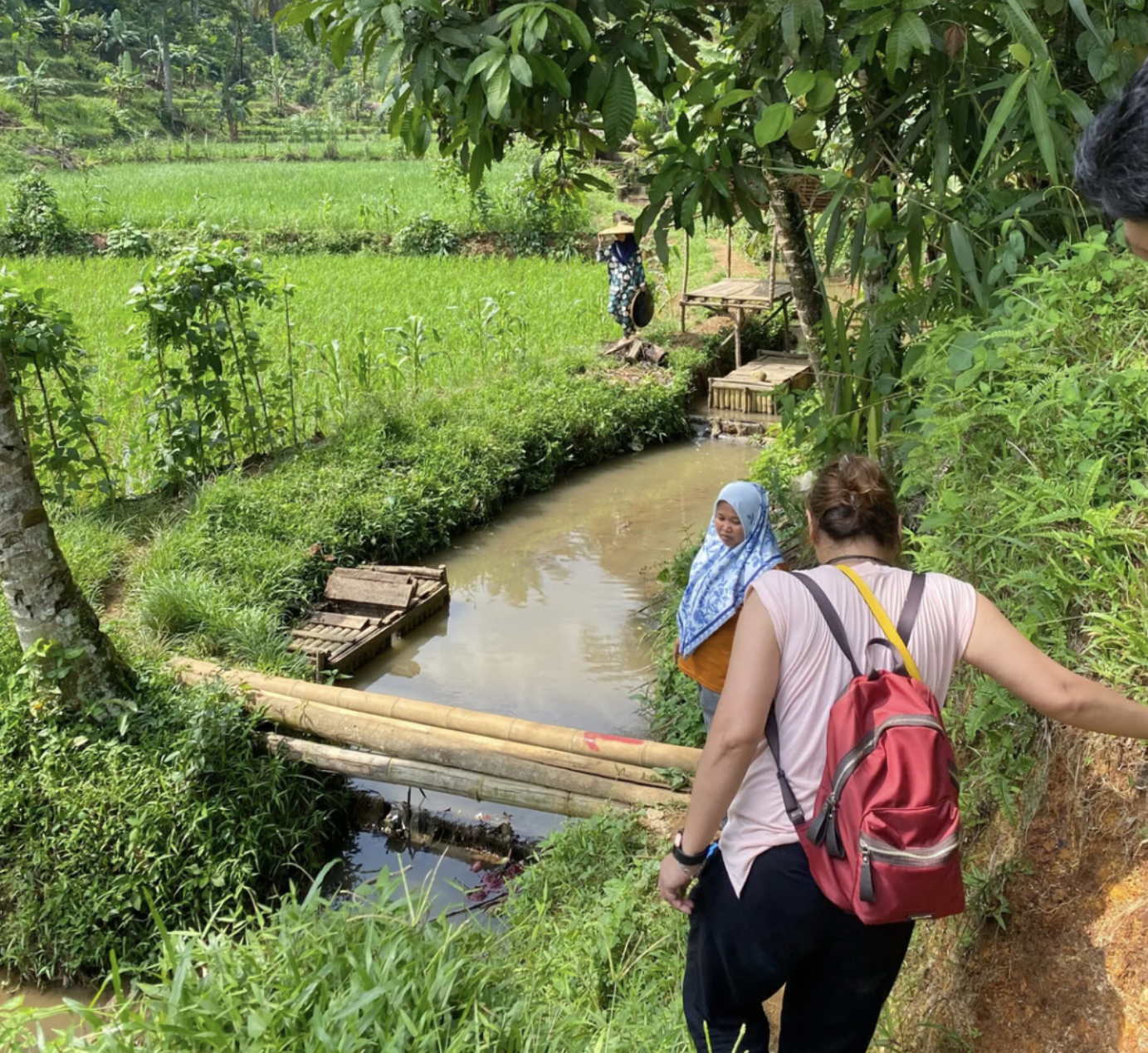
GreenAnt visits Indonesia
In December 2023, GreenAnt’s CEO, Mario Simmaco, and COO, Anya Bégué, traveled to Indonesia to learn more about the country’s agricultural landscape. In Jakarta, Mario and Anya met with officials at the Spanish, Dutch, and European Union embassies…