

The Precision Problem: Why Site-Specific Flood Thresholds Outperform Regional Risk Models
Most early flood warning systems are built on a flawed assumption: That rainfall patterns observed across a broad region reliably predict flooding at any specific location within it. They do not.
Global flood models (including GloFAS) deliver probabilistic forecasts at resolutions that serve macro-level risk assessment well but cannot account for…

From Reaction to Anticipation: How Forecast-Based Climate Risk Management is Closing the Global Protection Gap
The global protection gap between economic losses from climate disasters and insured losses exceeds $200 billion annually, leaving vulnerable populations to bear catastrophic costs that traditional risk management approaches cannot address. For catastrophe risk managers and chief risk officers, this widening gap represents both a market failure and an opportunity for innovation…

Supply Chain Management: Smart Thresholds to Replace Climate Models?
Supply chain managers are being asked to become amateur meteorologists in order to anticipate disruptions, interpreting climate projections and atmospheric science, when their true expertise lies in logistics optimization, inventory management, and operational efficiency. The gap between climate modeling complexity and operational decision-making can create paralysis…

The Economics of Waiting: What Delayed Climate Response Actually Costs
Reactive climate response appears cost-effective on paper. Prevention budgets draw scrutiny. Early warning investments face skepticism. Pre-positioning resources seems expensive—until the disaster hits.
Then the real costs become visible: emergency procurement at higher-than-normal rates, supply chains paralyzed for months, communities that never recover between climate shocks…

Navigating the Future of Climate Disclosure: How Advanced Data Analytics Ensures Regulatory Compliance and Competitive Advantage
Climate disclosure requirements like the Taskforce on Climate-related Financial Disclosures (TCFD), the E.U.'s Corporate Sustainability Reporting Directive (CSRD), and U.S. Securities and Exchange Commission (SEC) rules are fundamentally reshaping how organizations measure and report environmental risks. By creating standardized frameworks that transform how organizations measure…

Rising Waters, Rising Risks: How AI-Powered Analysis Can Protect Coastal Communities
In recent years, coastal communities have faced unprecedented challenges from rising sea levels and intensifying storm patterns. With over 40% of the global population living within 100 kilometers of coastlines, the economic impact of flooding now exceeds $65 billion annually. For insurance companies…
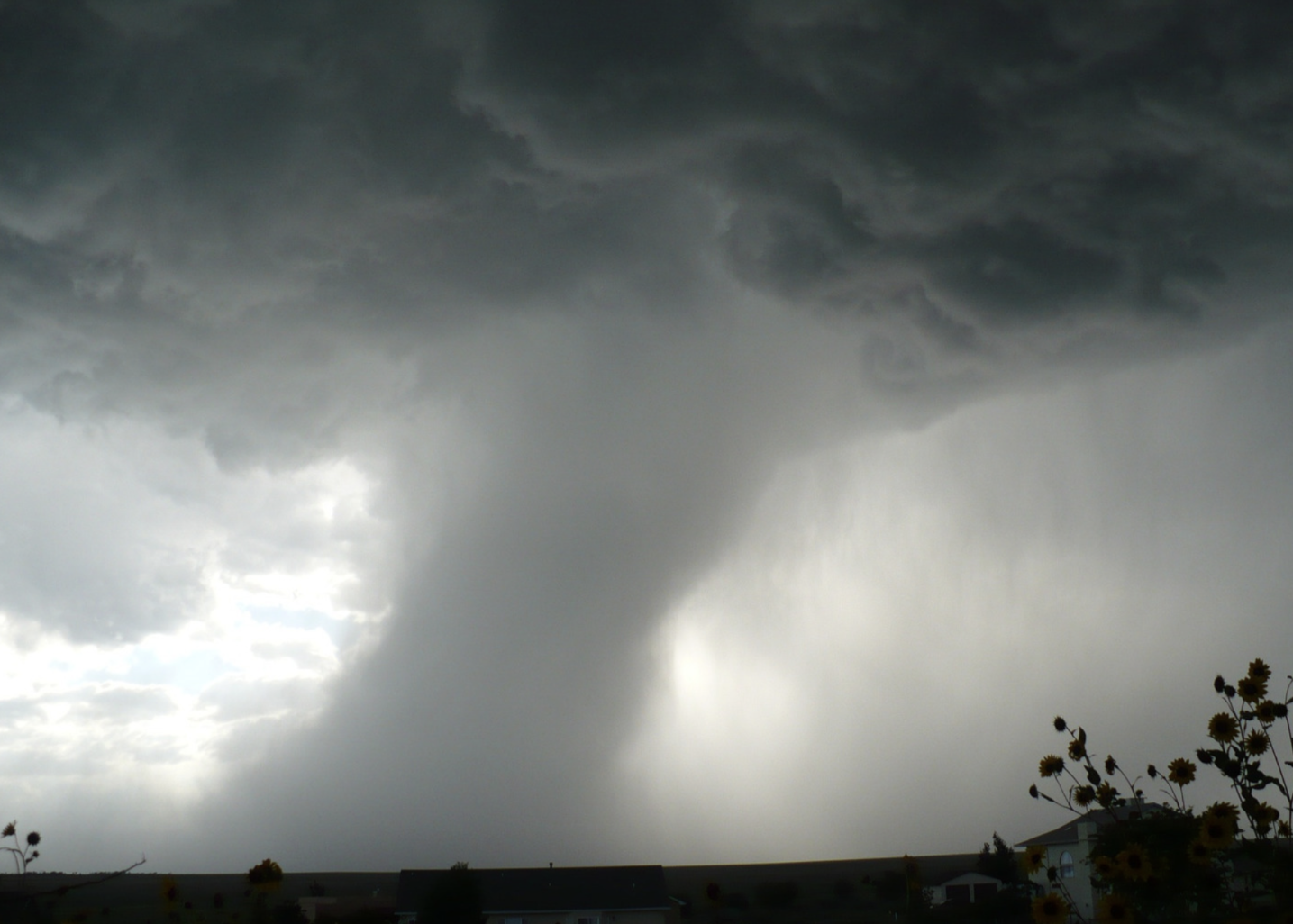
Triggering Innovation: The Role of New Tech in Shaping the Next Generation of Parametric Insurance Solutions
The insurance industry stands at a pivotal crossroads as technological convergence fundamentally transforms traditional risk management models. We are witnessing an unprecedented shift from reactive compensation mechanisms to proactive risk mitigation strategies—a transformation driven by…

EUDR Deep Dive Part 3: The EUDR’s Origins
In an era where environmental concerns are at the forefront of global discourse, the European Union Deforestation Regulation(EUDR) stands as a landmark initiative in the fight against deforestation. Enacted to curb the extensive clearing of forests worldwide, this regulation has not only reshaped policies within the EU but has also set a precedent for sustainability efforts…