
Two Interns, One Summer: Our Time at GreenAnt
Two Interns, One Summer: How We Got Here
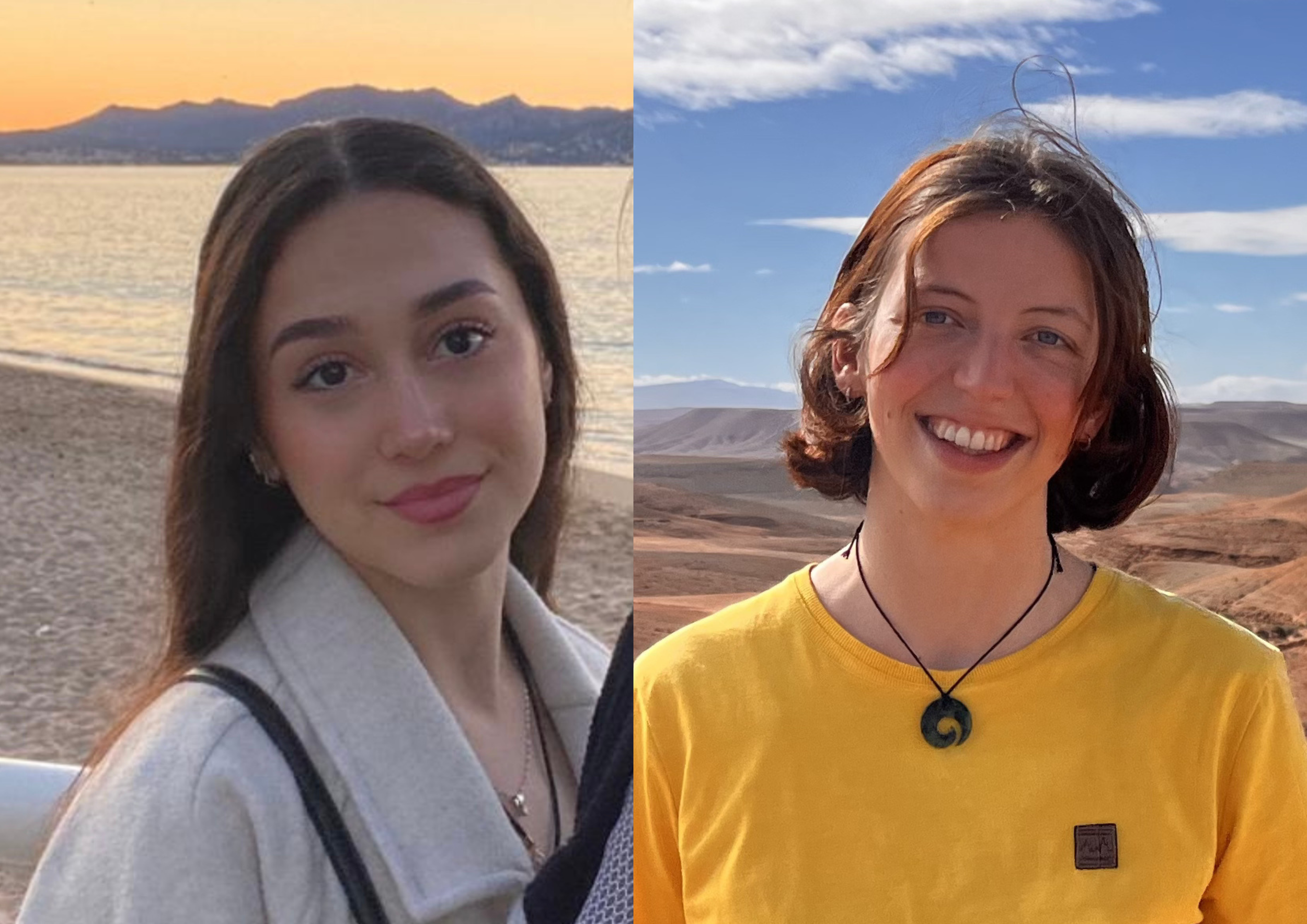
This summer we, Savanna and Zinyat, took on internship roles at GreenAnt. The opportunity found us several months before summer, while we were deep in coursework for our BSc in Earth, Energy and Sustainability at Leiden University College: our professor arranged a guest lecture from GreenAnt founder Mario Simmaco, who introduced GreenAnt's mission, Desidera, and the team's work.
After several encouraging conversations, handshakes, and the usual paperwork, we were officially set to intern at GreenAnt for summer 2026. Walking through the office doors on day one, we didn't know what to expect. What skills would we learn? What would our roles actually be? Would we spend the summer buried in work and running on coffee, or mostly watching from the sidelines? Spoiler alert: It was great, and all the worry was unnecessary. As the title promised, we're both taking you behind the scenes of what it really looks like to spend a summer interning at GreenAnt.
Savanna's Path: From the Classroom to Climate Risk
I'm Savanna. I grew up in Germany and moved to The Hague to pursue my passion for climate and earth sciences. When I found the opportunity to intern at GreenAnt, I was thrilled to work with a company combining my interests in climate science and international aid. I hoped to learn technical skills related to hazard assessments and risk thresholds, to work alongside a team of inspiring people, and to apply what I'd learned in class in a professional context. I'm happy to say those hopes soon turned into reality.
At the beginning, Zinyat and I assisted the technical team, performing tasks such as data import and research. One of my main projects was building a historical drought dataset for a particularly susceptible region of a Southeast Asian country that we aren’t at liberty to disclose by name. We researched past drought events and sorted them by date, description, impact, and severity. I also worked on the team's newer drought project, downloading hourly ERA5-Land data, including precipitation, air temperature, and soil moisture, through the Google Earth Engine library. (ERA5-Land is a reanalysis dataset built by the European Centre for Medium-Range Weather Forecasts that provides an hourly record of land-surface variables from 1950 to now.) I'm especially grateful to the development team, who answered our questions and worked through challenges with us whenever we needed them. In our studies, we had just learned about flood and drought impacts, the development of extreme events, and the management of climate risk, which the internship experience built on seamlessly.
However, our work wasn't all technical. As we settled in, GreenAnt’s Chief Operating Officer Anya Begué introduced us to the Marketing and Sales team, where I contributed directly to GreenAnt's new website: I drafted the layout for the newsletter pages and added past and ongoing blog posts to the site. That opened up new opportunities to learn, as we worked across different web platforms and design systems.
Looking back, I'm very grateful for my experience at GreenAnt. Programming in Python was new to me going in, as was working in a virtual machine. Both felt daunting at first, but after asking for help and picking up a few short scripts, I realized it wasn't as complex as it looked, and I was suddenly able to do much more than before. That's what I'm proudest of this summer: It showed me how quickly I can build new skills just by asking questions and staying open to learning. As I continue my studies at Leiden University College, I'll carry these experiences with me, and I can easily imagine coming back to work in climate risk assessment.
Zinyat's Rhythm: A Day in the Life at GreenAnt
I'm Zinyat, originally from Azerbaijan and raised in Qatar, and I had an incredible time working with GreenAnt. Like many students, I was new to interning and started with limited knowledge of what to expect from a professional environment, so I want to walk through what a typical day looked like.
The day started with a 9:00 AM development team meeting, where we discussed progress, shared updates, and asked for help or feedback when needed. These check-ins usually lasted between 30 minutes and an hour and gave the day a clear structure while keeping everyone connected.
As interns, we had a lot of flexibility in how we organized our working hours, which was especially useful over the summer since we could plan around other commitments. The workload totaled about 15 to 20 hours a week, and we could work from home or the office in The Hague, whichever was more convenient. Working remotely gave us freedom, but the days we spent in the office were just as valuable, letting us connect with the team in person and get a real feel for the work environment. Each week, we also joined a marketing team meeting to discuss the new website, where I helped transfer, organize, and structure GreenAnt's existing newsletters and blog articles from the existing site so that they read clearly and consistently. Every two weeks there was an all-staff meeting that brought together employees across the company.
Throughout the internship, I built a range of technical and non-technical skills. On the technical side, I worked on drought prediction using agricultural data for a region in Southeast Asia that is prone to aridity, drawing on climate datasets and crop-related information to support drought-risk assessment, work that let me apply what I'd studied at college to a real-world project with tangible benefits.
One of the moments that built my confidence the most was getting stuck on my data-download code: With the team's help, we tracked down a small bug and fixed it, which taught me that getting stuck isn't a reflection of my abilities, and that asking for help is part of learning, not something to feel embarrassed about.
Beyond the technical work, one of the most rewarding parts was the people I met and the relationships I built. The team was welcoming and supportive, which made it easy to ask questions, exchange ideas, and learn from others. The networking opportunities were especially valuable, since the connections felt genuine rather than purely professional. Overall, the internship gave me not just technical knowledge, but also more confidence in communicating, collaborating, and working independently.
Conclusion: What We're Taking With Us
Looking back, we're both grateful for the experience and excited to continue our studies and deepen our knowledge of climate science.
GreenAnt's mission showed us how important it is to work together, brainstorm together, and build together the technologies and software that will help the world adapt to a changing climate. Working so closely with the data and models behind Desidera gave us a real appreciation for how much the organizations managing climate risk actually depend on getting it right.
As we continue our BSc at Leiden University College, we'd recommend GreenAnt to other students looking to sharpen their skills and learn from a diverse team.