
Two Interns, One Summer: Our Time at GreenAnt
This summer we, Savanna and Zinyat, took on internship roles at GreenAnt. The opportunity found us several months before summer, while we were deep in coursework for our BSc in Earth, Energy and Sustainability at Leiden University College…

What Early Warning Systems Get Wrong About the Communities They Serve
The global investment case for early warning systems has never been stronger. The UN's Early Warnings for All initiative targets universal coverage by 2027. FAO estimates a seven-to-one return on anticipatory action investment. Satellite technology, AI-driven analytics, and real-time forecast modeling have brought a level of technical precision to flood early warning that was unthinkable a decade ago.

Social Resilience: The Invisible Infrastructure That Makes Early Warning Systems Work
Advances in satellite technology and ground-level meteorological systems are giving researchers and practitioners the information they need to develop new climate risk analysis methodologies and early warning systems (EWS) at a scale and precision that was unthinkable just a decade ago. Limitations that constrained the field until recently, such as cloud cover, dense vegetation, and irregular geographic coverage…

From Satellite Data to Village-Level Warnings: Scaling Hydrological Models for Anticipatory Action
Floods are the world's most widespread natural hazard, yet the communities most exposed are often the least protected by functional early warning systems. Approximately 1.81 billion people, nearly a quarter of the global population, are directly exposed to 100-year floods, a figure that underscores not just the scale of the physical risk but the scale of the institutional failure…

From Reaction to Anticipation: How Forecast-Based Climate Risk Management is Closing the Global Protection Gap
The global protection gap between economic losses from climate disasters and insured losses exceeds $200 billion annually, leaving vulnerable populations to bear catastrophic costs that traditional risk management approaches cannot address. For catastrophe risk managers and chief risk officers, this widening gap represents both a market failure and an opportunity for innovation…

Time to Act Early: Why Humanitarian Aid Organizations Must Accelerate Adoption of Early Warning Systems
Disasters are often predictable, yet the humanitarian sector continues to operate primarily in reactive mode, responding after catastrophes strike rather than acting on warnings that could prevent the worst impacts. This pattern persists despite clear evidence that early action saves both lives and resources…

Building Climate Resilience Without Climate Expertise
Decision makers in insurance, agriculture, and trade face an uncomfortable reality: Climate risk has become business-critical, yet few organizations can afford dedicated meteorological expertise. Traditional risk management approaches require either expensive consultants or in-house specialists who can interpret complex weather data and translate it into actionable business decisions. According to…

Anticipatory Action: A New Paradigm for Humanitarian Response
The humanitarian sector stands at a critical juncture. While traditional emergency response has saved countless lives, mounting evidence reveals fundamental weaknesses in how we manage climate risk today. Across humanitarian NGOs, government agencies, and commercial insurance providers, a convergence of factors is driving an urgent reassessment of conventional approaches…
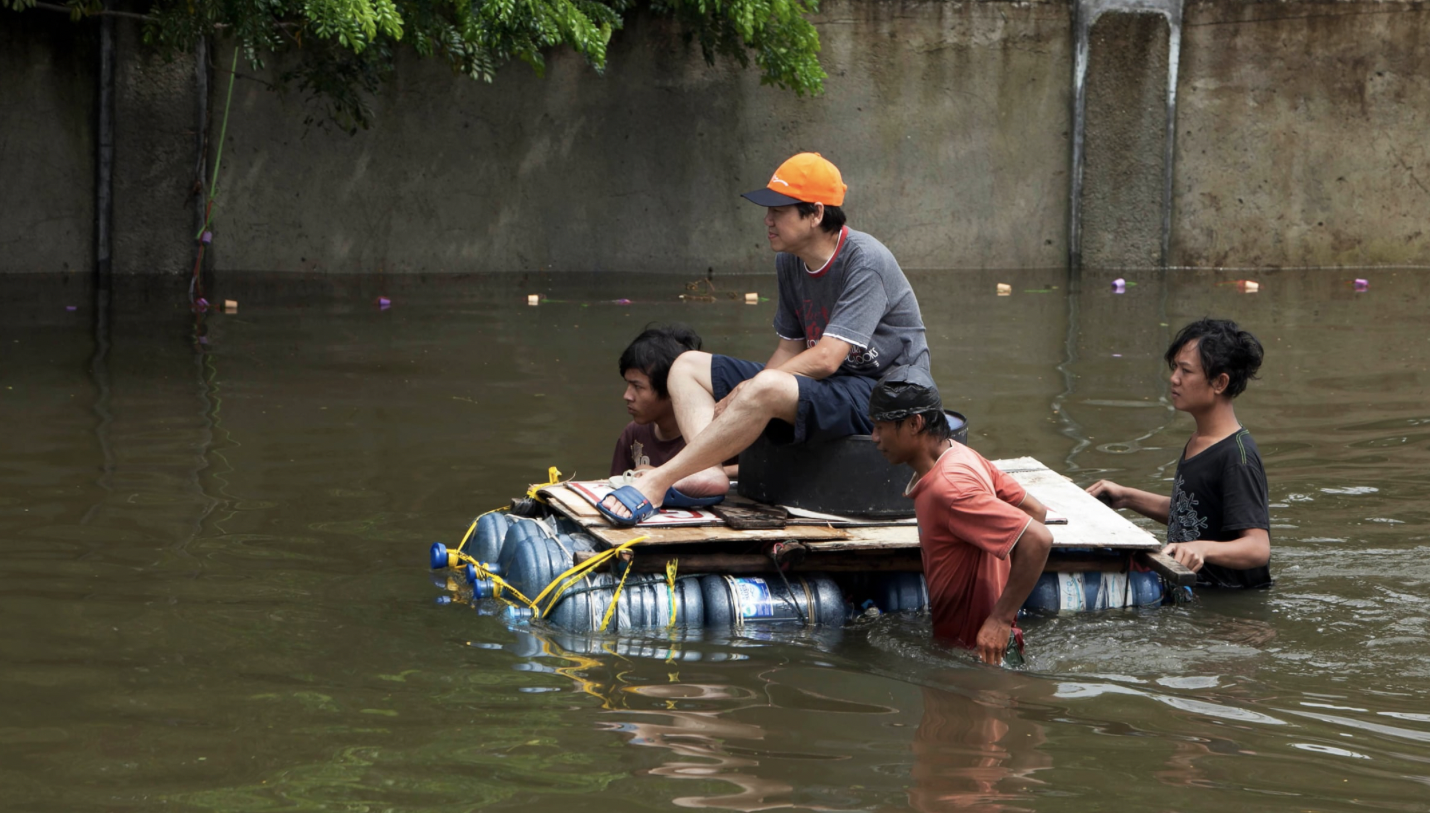
Breaking the Flood Response Cycle: The Game-Changing Technology That Turns Rainfall Data Into Life-Saving Early Action
Imagine knowing exactly when a flood will hit—not just where, but when—with enough precision to save lives and protect communities before disaster strikes. This isn't wishful thinking anymore. Every year, flood disasters affect over 250 million people globally. Humanitarian organizations pour billions into responding to natural disasters that could have been prevented with early warning systems…
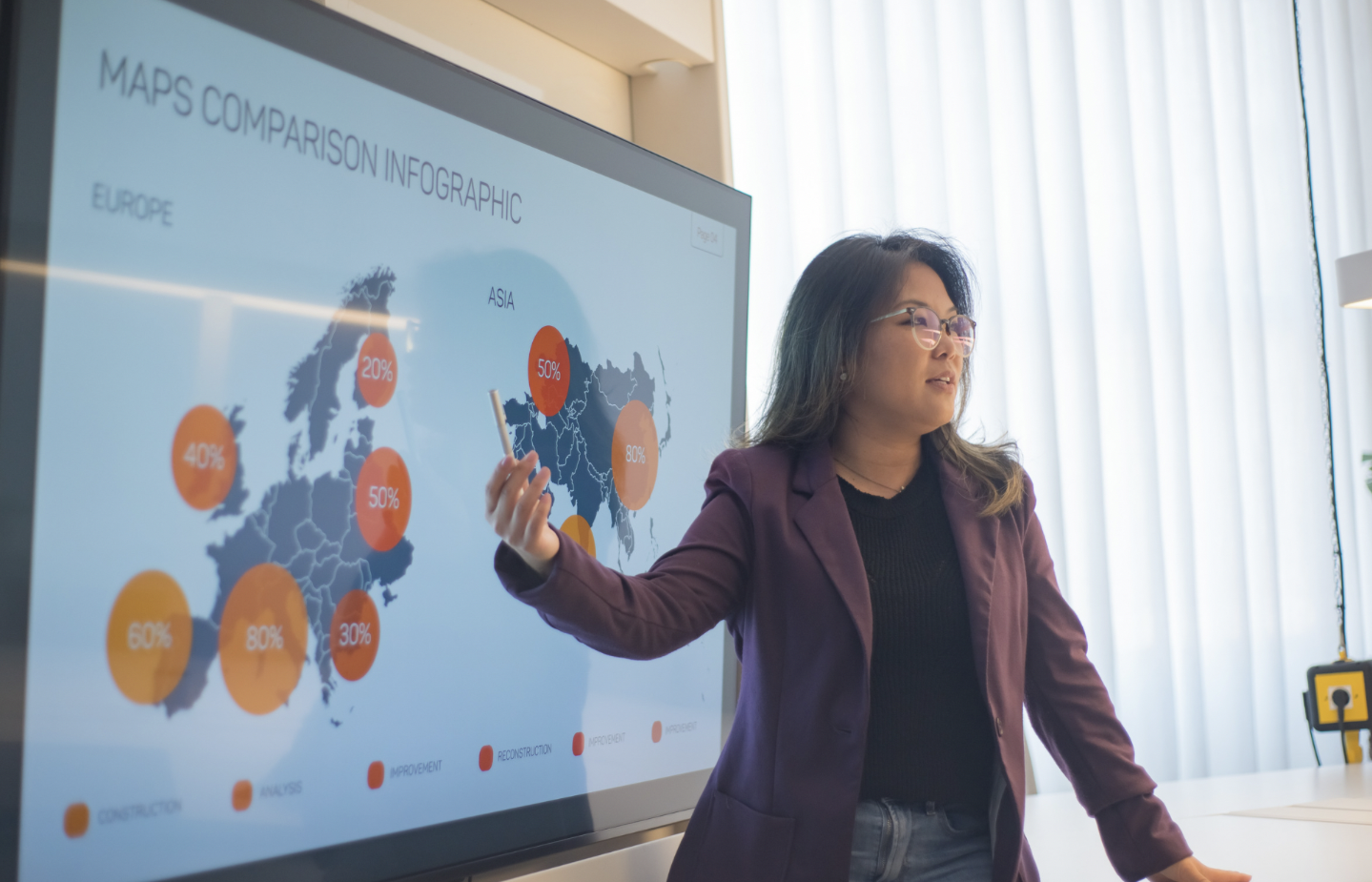
Navigating the Future of Climate Disclosure: How Advanced Data Analytics Ensures Regulatory Compliance and Competitive Advantage
Climate disclosure requirements like the Taskforce on Climate-related Financial Disclosures (TCFD), the E.U.'s Corporate Sustainability Reporting Directive (CSRD), and U.S. Securities and Exchange Commission (SEC) rules are fundamentally reshaping how organizations measure and report environmental risks. By creating standardized frameworks that transform how organizations measure…

From Smart Earth Monitoring to Climate Resilience-by-Design
The convergence of satellite technology and artificial intelligence (AI) is fundamentally reshaping humanity's ability to anticipate, prepare for, and adapt to our planet's changing climate. What once required days of analysis can now be accomplished in minutes, transforming…

Digital Shields: Using Radar Satellite Constellations and AI to Protect Climate-Vulnerable Communities
Climate-related disasters have dramatically increased in recent decades, with climate vulnerable populations facing the greatest risks. The BBC has reported that the number of weather-related disasters worldwide has increased 500% over the past 50 years. Unfortunately, traditional environmental monitoring solutions that have limitations in spatial coverage, real-time data availability, and precursor signal detection, make disaster preparedness all the more challenging…

Rising Waters, Rising Risks: How AI-Powered Analysis Can Protect Coastal Communities
In recent years, coastal communities have faced unprecedented challenges from rising sea levels and intensifying storm patterns. With over 40% of the global population living within 100 kilometers of coastlines, the economic impact of flooding now exceeds $65 billion annually. For insurance companies…

The Future of Food: Can New Tech Power a Sustainable Food Supply?
The global food system is at a crossroads. With the population projected to reach nearly 10 billion by 2050, food demand is expected to surge by 50%. At the same time, climate change is disrupting agricultural productivity through extreme weather, prolonged droughts, and shifting growing seasons…
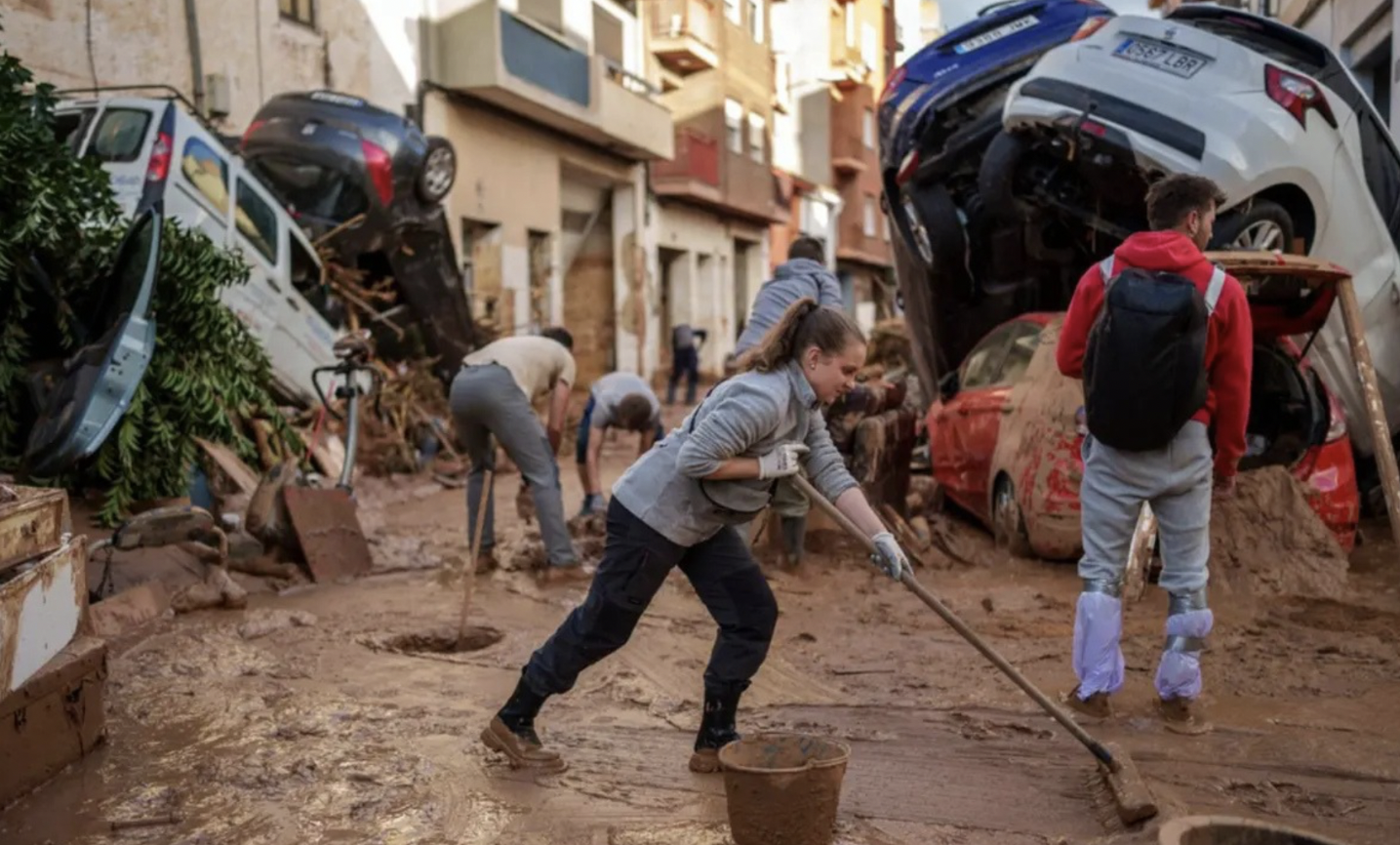
Historic Flooding in Spain: An Urgent Call for Action
The historic flooding last November in Valencia, Spain, was unspeakably devastating, causing significant loss of life, widespread property damage, and severe economic disruption. The region experienced torrential rainfall that led to flash floods, inundating streets, homes, and businesses. The impact of this extreme weather event has been far-reaching…
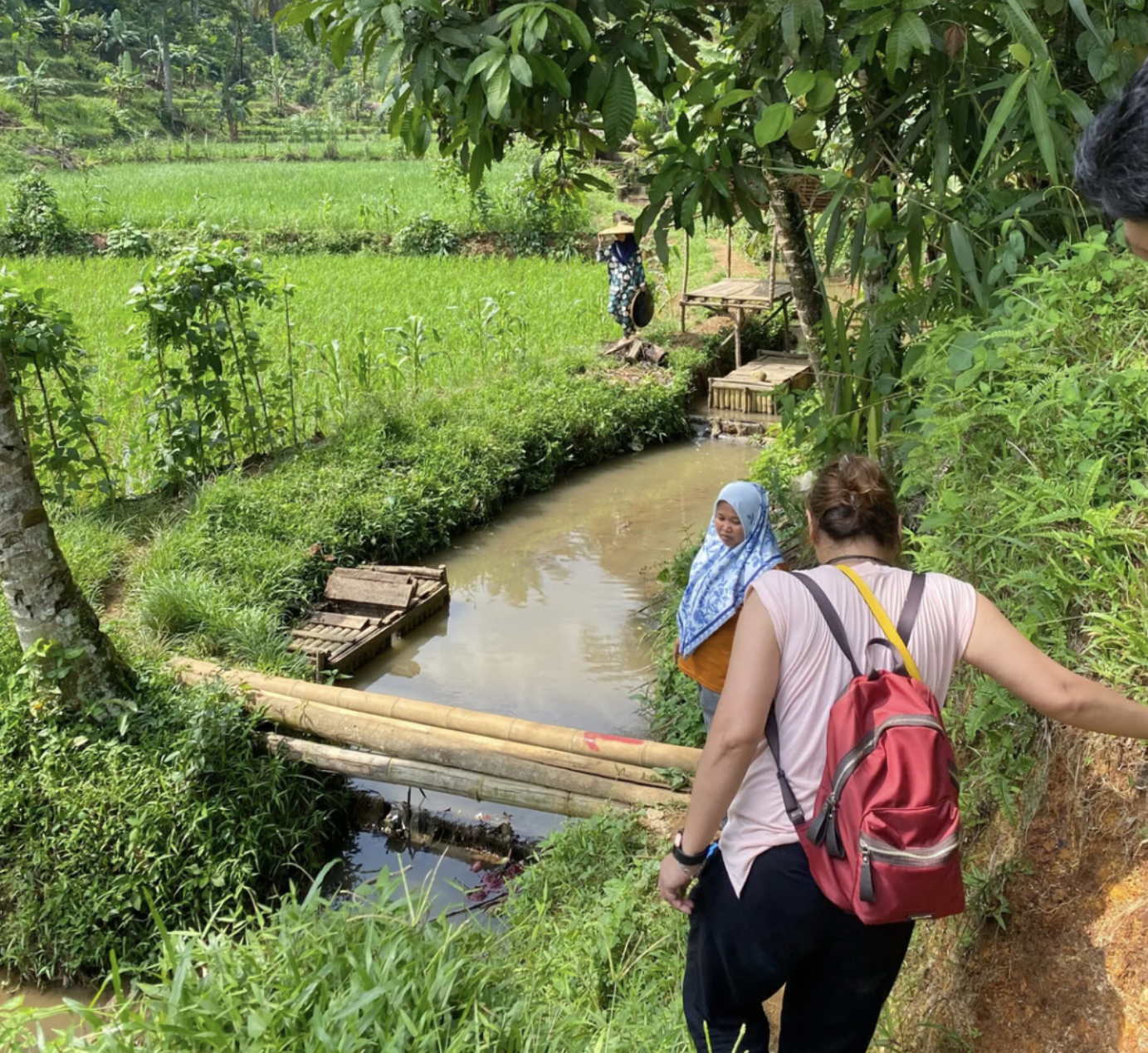
GreenAnt visits Indonesia
In December 2023, GreenAnt’s CEO, Mario Simmaco, and COO, Anya Bégué, traveled to Indonesia to learn more about the country’s agricultural landscape. In Jakarta, Mario and Anya met with officials at the Spanish, Dutch, and European Union embassies…