

What Early Warning Systems Get Wrong About the Communities They Serve
The global investment case for early warning systems has never been stronger. The UN's Early Warnings for All initiative targets universal coverage by 2027. FAO estimates a seven-to-one return on anticipatory action investment. Satellite technology, AI-driven analytics, and real-time forecast modeling have brought a level of technical precision to flood early warning that was unthinkable a decade ago.
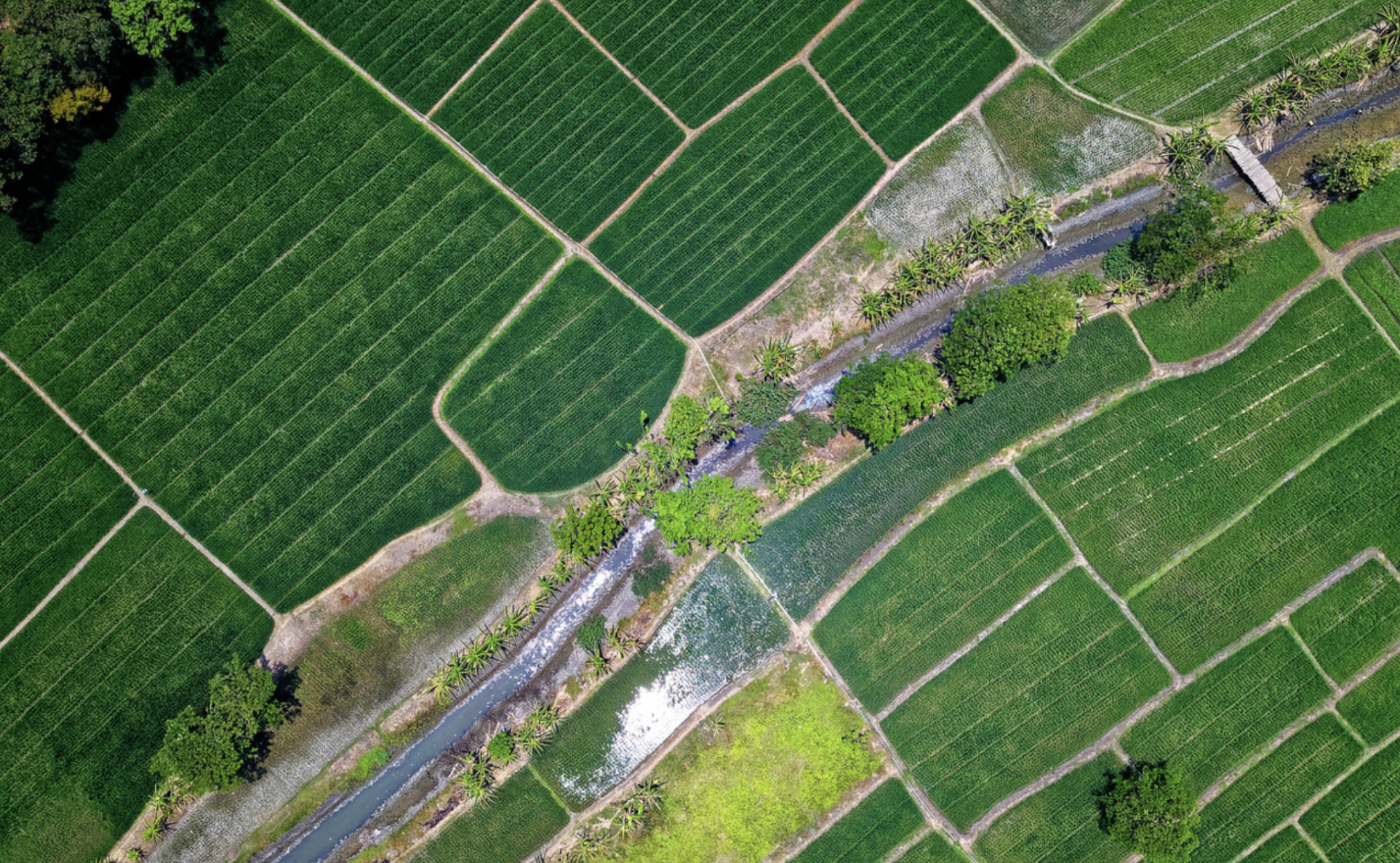
The Precision Problem: Why Site-Specific Flood Thresholds Outperform Regional Risk Models
Most early flood warning systems are built on a flawed assumption: That rainfall patterns observed across a broad region reliably predict flooding at any specific location within it. They do not.
Global flood models (including GloFAS) deliver probabilistic forecasts at resolutions that serve macro-level risk assessment well but cannot account for…

From Reaction to Anticipation: How Forecast-Based Climate Risk Management is Closing the Global Protection Gap
The global protection gap between economic losses from climate disasters and insured losses exceeds $200 billion annually, leaving vulnerable populations to bear catastrophic costs that traditional risk management approaches cannot address. For catastrophe risk managers and chief risk officers, this widening gap represents both a market failure and an opportunity for innovation…

Time to Act Early: Why Humanitarian Aid Organizations Must Accelerate Adoption of Early Warning Systems
Disasters are often predictable, yet the humanitarian sector continues to operate primarily in reactive mode, responding after catastrophes strike rather than acting on warnings that could prevent the worst impacts. This pattern persists despite clear evidence that early action saves both lives and resources…

Supply Chain Management: Smart Thresholds to Replace Climate Models?
Supply chain managers are being asked to become amateur meteorologists in order to anticipate disruptions, interpreting climate projections and atmospheric science, when their true expertise lies in logistics optimization, inventory management, and operational efficiency. The gap between climate modeling complexity and operational decision-making can create paralysis…
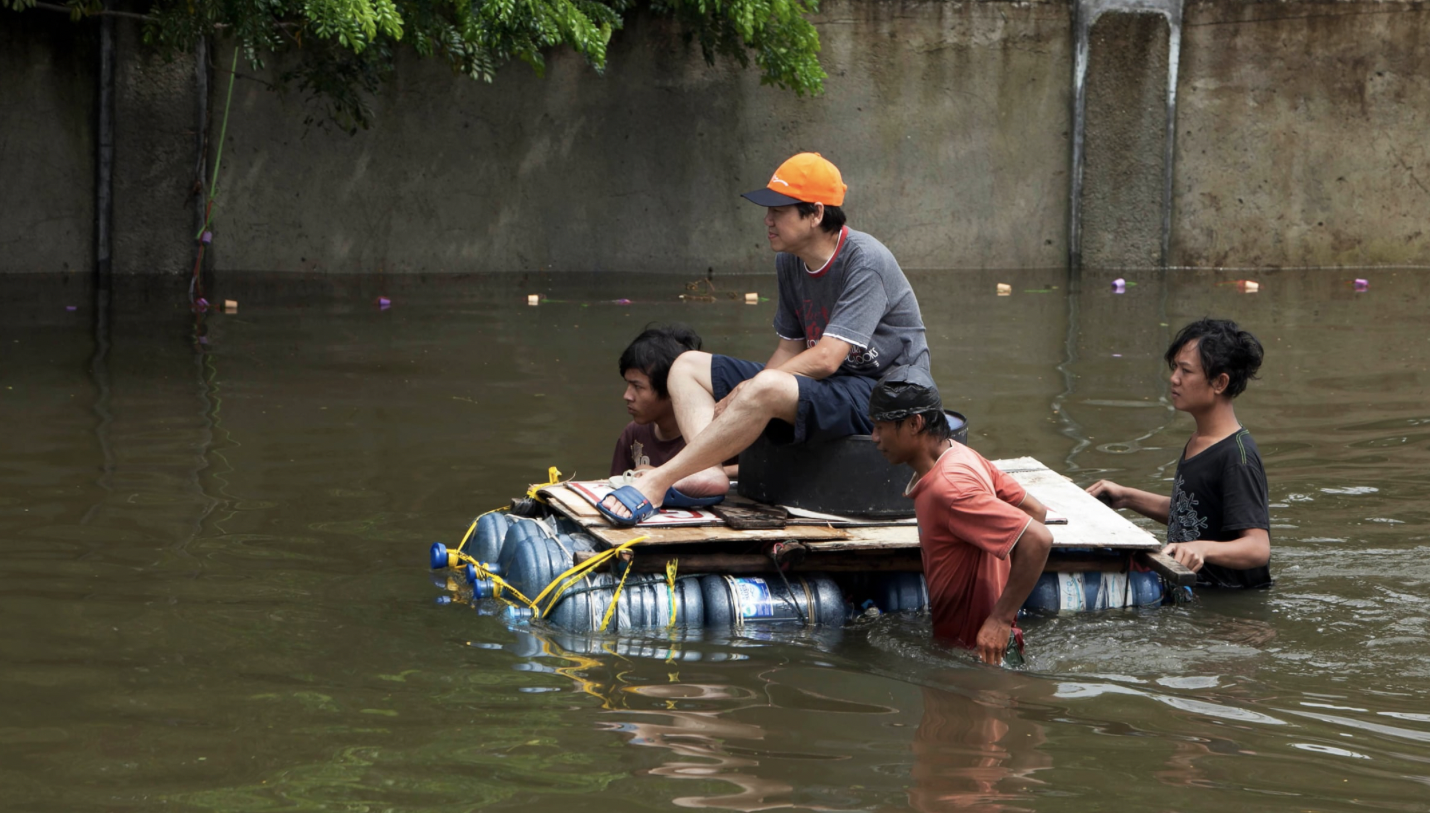
Breaking the Flood Response Cycle: The Game-Changing Technology That Turns Rainfall Data Into Life-Saving Early Action
Imagine knowing exactly when a flood will hit—not just where, but when—with enough precision to save lives and protect communities before disaster strikes. This isn't wishful thinking anymore. Every year, flood disasters affect over 250 million people globally. Humanitarian organizations pour billions into responding to natural disasters that could have been prevented with early warning systems…

5 Red Flags Your EUDR Compliance Partner Isn't Ready
The clock is ticking louder than ever. The EU Deforestation Regulation (EUDR) takes effect December 30,2025, with zero tolerance for non-compliance by large companies. While small companies have until June 30,2026 for enforcement to begin, the urgency to address EUDR compliance is no less critical for any business seeking to maintain EU market access…
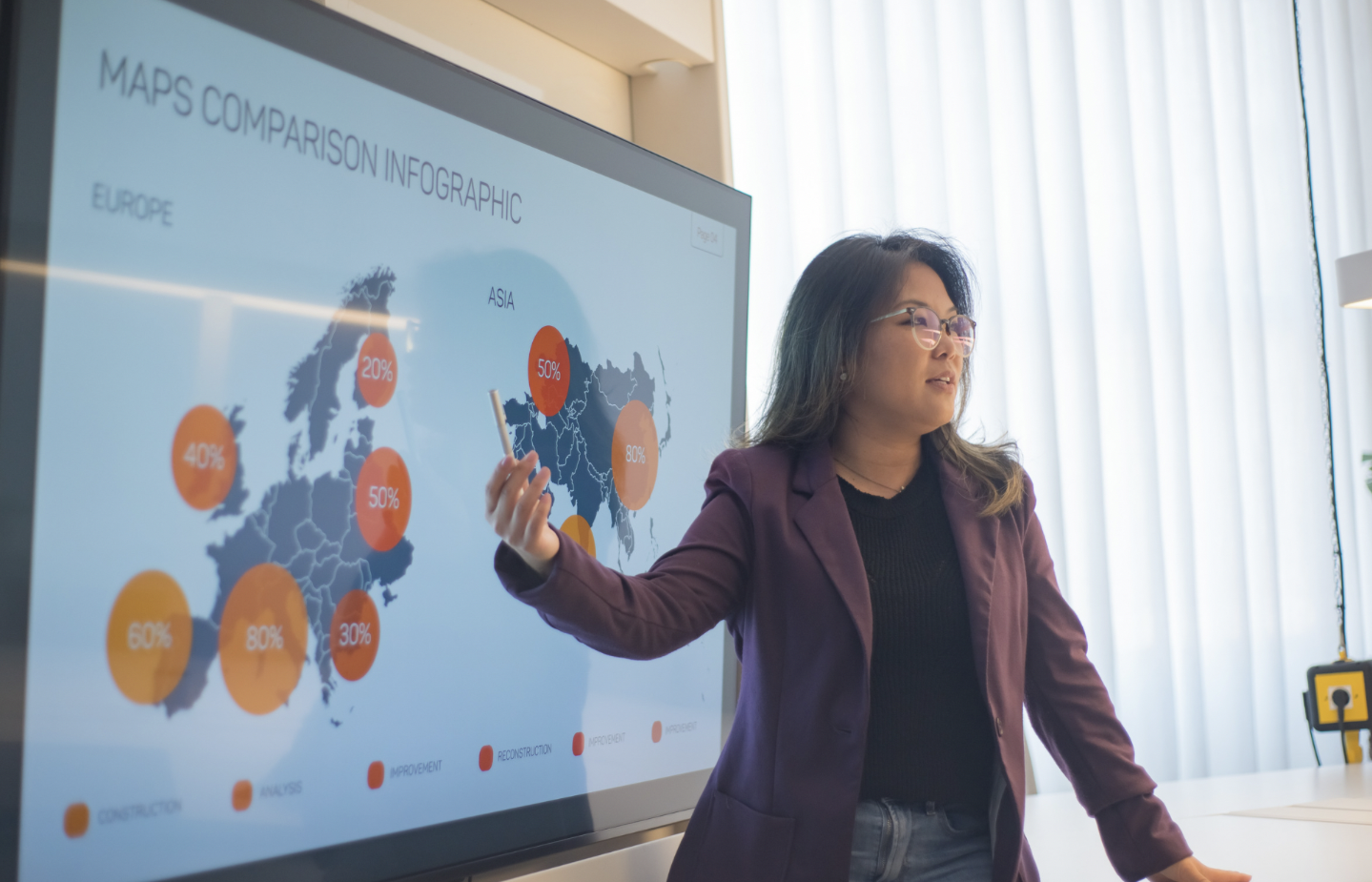
Navigating the Future of Climate Disclosure: How Advanced Data Analytics Ensures Regulatory Compliance and Competitive Advantage
Climate disclosure requirements like the Taskforce on Climate-related Financial Disclosures (TCFD), the E.U.'s Corporate Sustainability Reporting Directive (CSRD), and U.S. Securities and Exchange Commission (SEC) rules are fundamentally reshaping how organizations measure and report environmental risks. By creating standardized frameworks that transform how organizations measure…

From Smart Earth Monitoring to Climate Resilience-by-Design
The convergence of satellite technology and artificial intelligence (AI) is fundamentally reshaping humanity's ability to anticipate, prepare for, and adapt to our planet's changing climate. What once required days of analysis can now be accomplished in minutes, transforming…

Digital Shields: Using Radar Satellite Constellations and AI to Protect Climate-Vulnerable Communities
Climate-related disasters have dramatically increased in recent decades, with climate vulnerable populations facing the greatest risks. The BBC has reported that the number of weather-related disasters worldwide has increased 500% over the past 50 years. Unfortunately, traditional environmental monitoring solutions that have limitations in spatial coverage, real-time data availability, and precursor signal detection, make disaster preparedness all the more challenging…
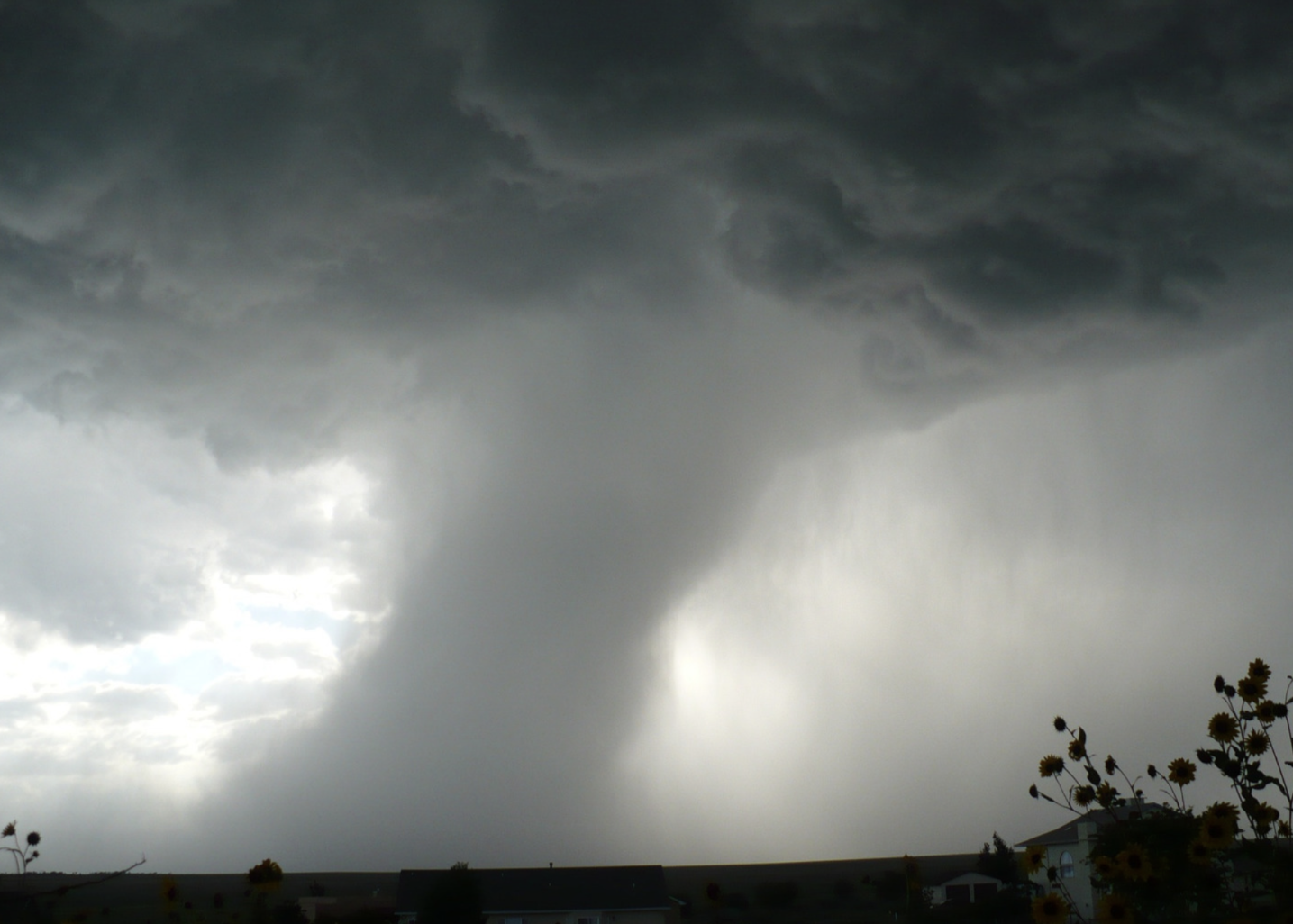
Triggering Innovation: The Role of New Tech in Shaping the Next Generation of Parametric Insurance Solutions
The insurance industry stands at a pivotal crossroads as technological convergence fundamentally transforms traditional risk management models. We are witnessing an unprecedented shift from reactive compensation mechanisms to proactive risk mitigation strategies—a transformation driven by…

The Future of Food: Can New Tech Power a Sustainable Food Supply?
The global food system is at a crossroads. With the population projected to reach nearly 10 billion by 2050, food demand is expected to surge by 50%. At the same time, climate change is disrupting agricultural productivity through extreme weather, prolonged droughts, and shifting growing seasons…
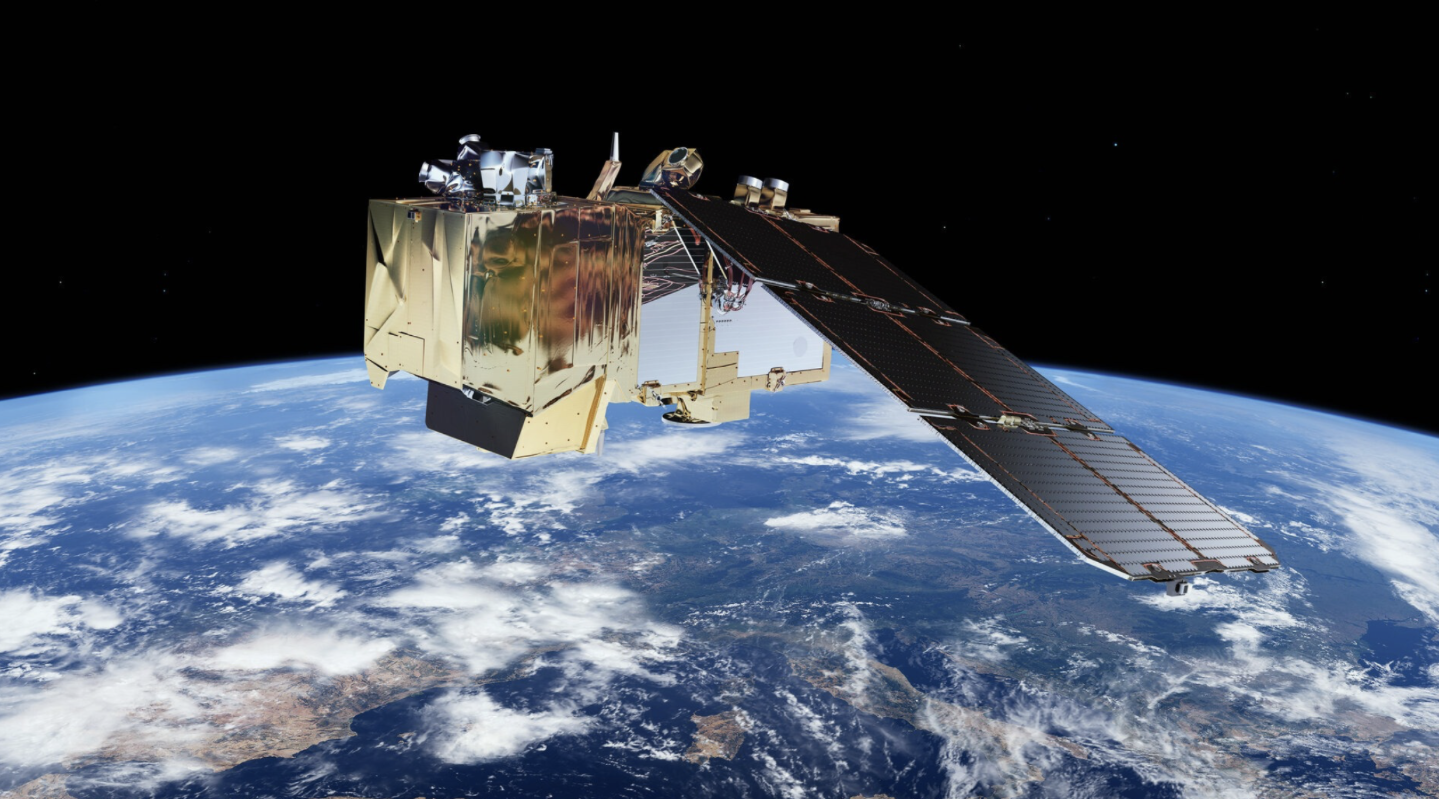
How GreenAnt's Desidera Platform Leverages Sentinel Satellite Technology (Part 2 of 2)
We’ll enumerate some of the transformative applications of Desidera, from crop monitoring and yield estimation to deforestation tracking and disaster response. Discover how GreenAnt is revolutionizing agriculture and environmental management with cutting-edge satellite technology…
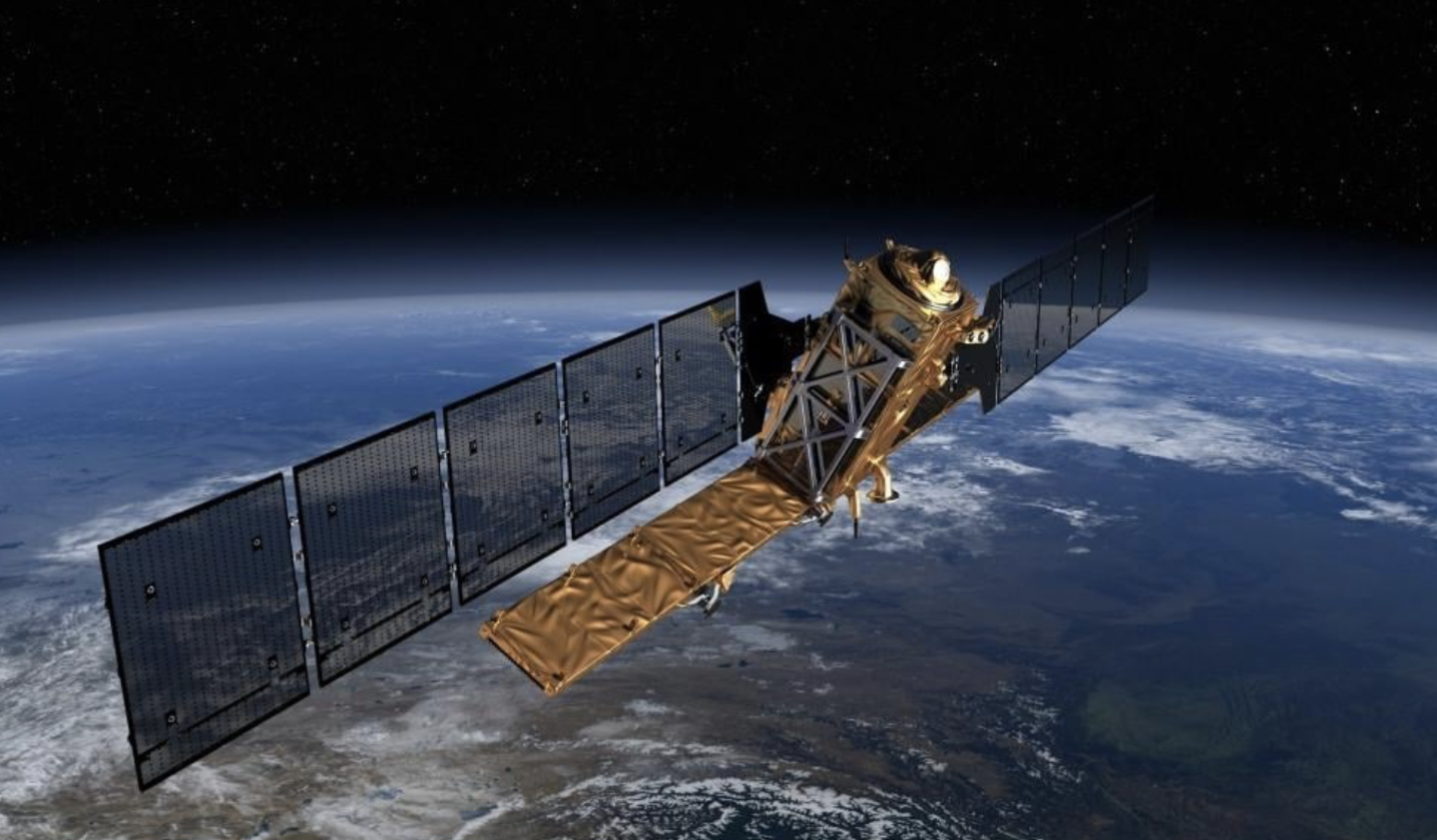
How GreenAnt's Desidera Platform Leverages Sentinel Satellite Technology (Part 1 of 2)
This is the first of a two-part blog series exploring how GreenAnt’s Desidera platform uses Sentinel satellite technology to revolutionize agriculture and environmental monitoring. In this part, we’ll dive into the technology behind Desidera, the capabilities of the Sentinel satellites, and how GreenAnt processes satellite data…

EUDR Deep Dive Part 3: The EUDR’s Origins
In an era where environmental concerns are at the forefront of global discourse, the European Union Deforestation Regulation(EUDR) stands as a landmark initiative in the fight against deforestation. Enacted to curb the extensive clearing of forests worldwide, this regulation has not only reshaped policies within the EU but has also set a precedent for sustainability efforts…

EUDR Deep Dive Part 2: Unraveling the Compliance Maze
While the EUDR marks a significant step towards tackling deforestation, navigating its requirements can be a complex journey. GreenAnt is here to equip you with the knowledge and tools to navigate this maze and emerge a sustainability leader…

EU Deforestation Regulation: Ensure Your Supply Chain Stays Green with GreenAnt
In today’s environmentally conscious world, consumers are increasingly demanding sustainable products. Businesses that can demonstrate a commitment to ethical sourcing and deforestation-free practices gain a significant competitive advantage. The upcoming European Union Deforestation Regulation (EUDR) will further…