
Thresholds vs. Probabilities: Two Philosophies of Climate Risk
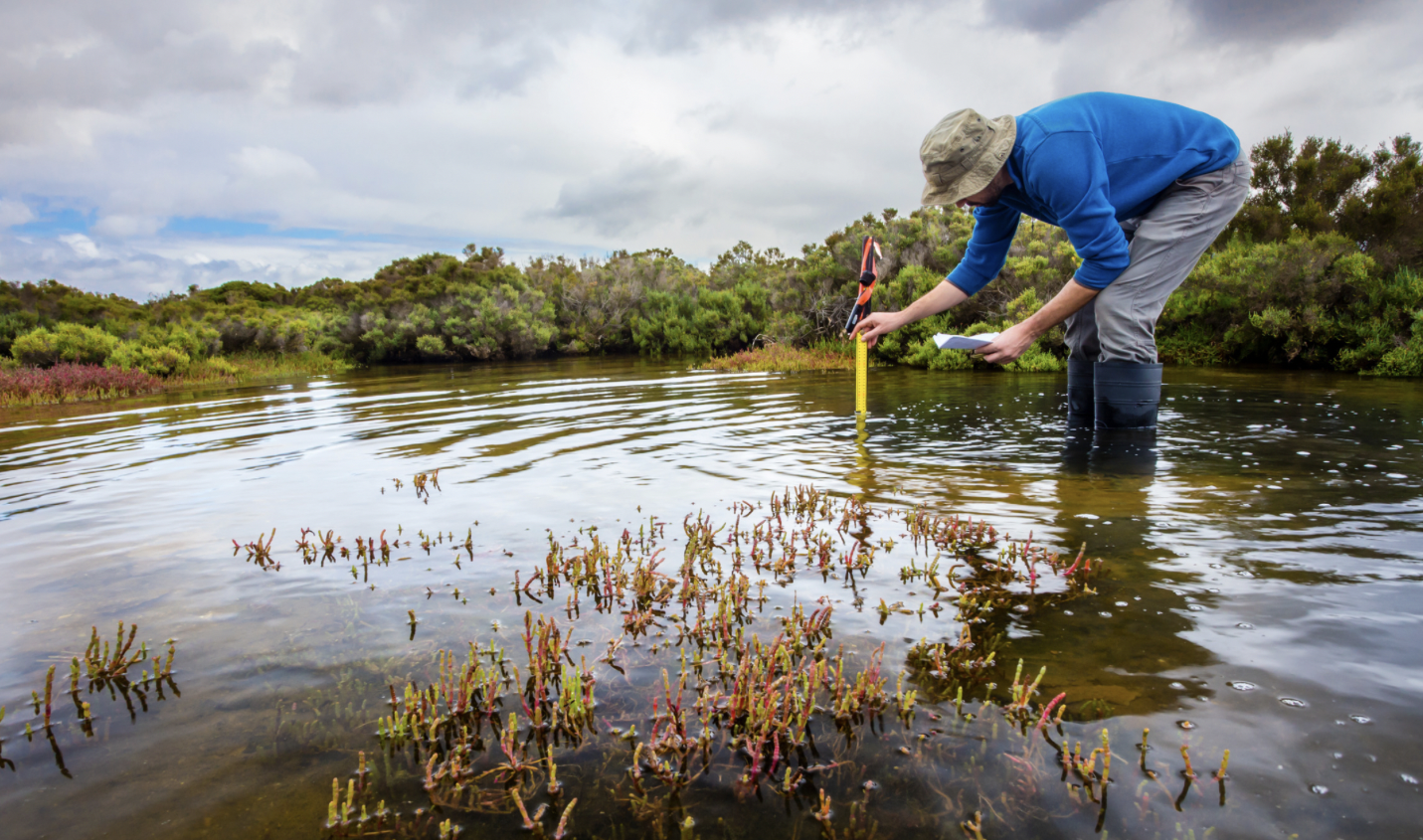
Climate risk analysis splits along a fundamental divide: probability-based approaches that quantify the likelihood of events occurring within confidence intervals, versus threshold-based systems that trigger predetermined responses when observable conditions cross defined limits. It’s worth noting that threshold-based systems can function both reactively and preemptively….

From Reaction to Anticipation: How Forecast-Based Climate Risk Management is Closing the Global Protection Gap
The global protection gap between economic losses from climate disasters and insured losses exceeds $200 billion annually, leaving vulnerable populations to bear catastrophic costs that traditional risk management approaches cannot address. For catastrophe risk managers and chief risk officers, this widening gap represents both a market failure and an opportunity for innovation…

Time to Act Early: Why Humanitarian Aid Organizations Must Accelerate Adoption of Early Warning Systems
Disasters are often predictable, yet the humanitarian sector continues to operate primarily in reactive mode, responding after catastrophes strike rather than acting on warnings that could prevent the worst impacts. This pattern persists despite clear evidence that early action saves both lives and resources…

Anticipatory Action: A New Paradigm for Humanitarian Response
The humanitarian sector stands at a critical juncture. While traditional emergency response has saved countless lives, mounting evidence reveals fundamental weaknesses in how we manage climate risk today. Across humanitarian NGOs, government agencies, and commercial insurance providers, a convergence of factors is driving an urgent reassessment of conventional approaches…
Breaking the Flood Response Cycle: The Game-Changing Technology That Turns Rainfall Data Into Life-Saving Early Action
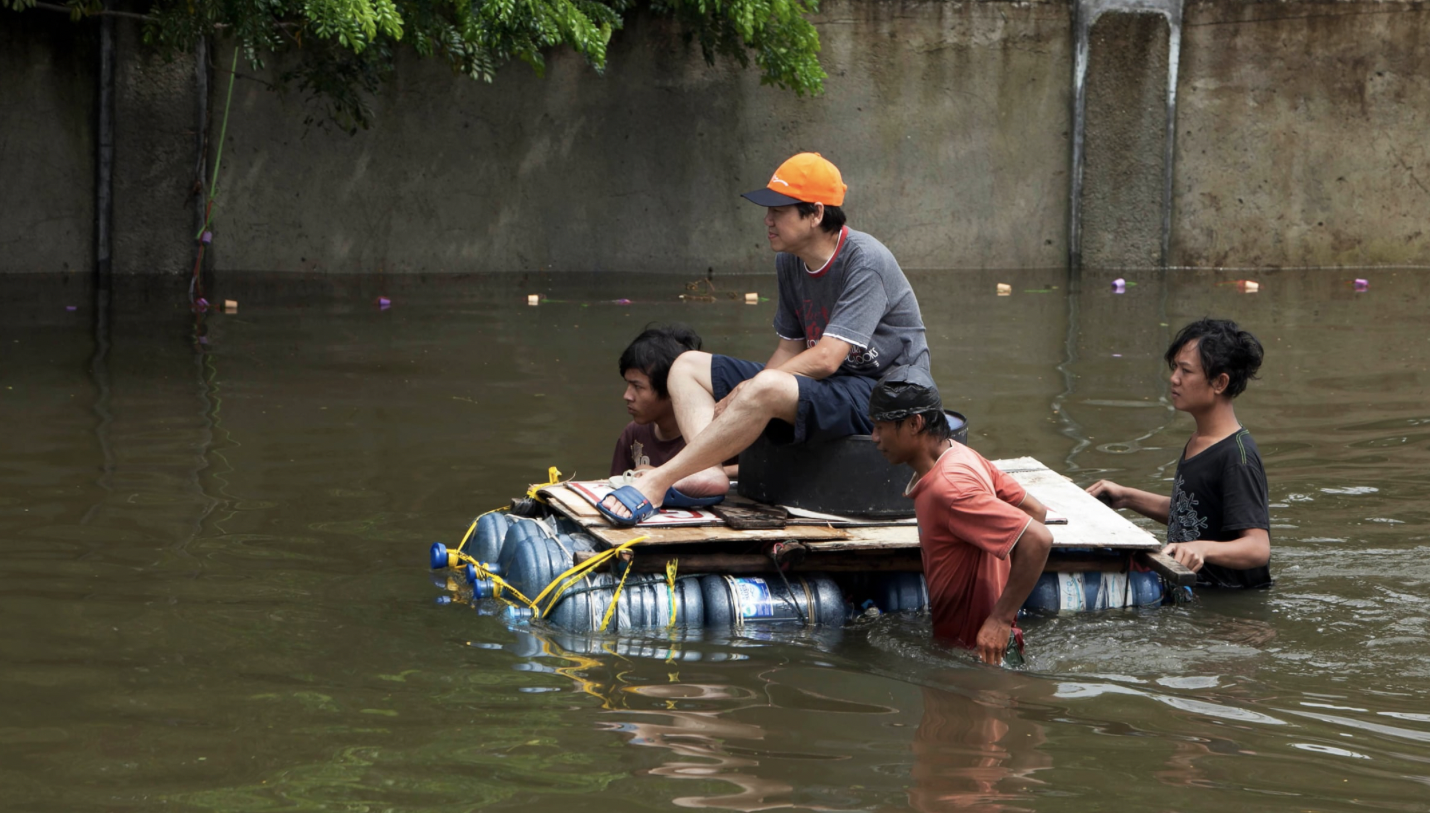
Imagine knowing exactly when a flood will hit—not just where, but when—with enough precision to save lives and protect communities before disaster strikes. This isn't wishful thinking anymore. Every year, flood disasters affect over 250 million people globally. Humanitarian organizations pour billions into responding to natural disasters that could have been prevented with early warning systems…

Rising Waters, Rising Risks: How AI-Powered Analysis Can Protect Coastal Communities
In recent years, coastal communities have faced unprecedented challenges from rising sea levels and intensifying storm patterns. With over 40% of the global population living within 100 kilometers of coastlines, the economic impact of flooding now exceeds $65 billion annually. For insurance companies…
Historic Flooding in Spain: An Urgent Call for Action
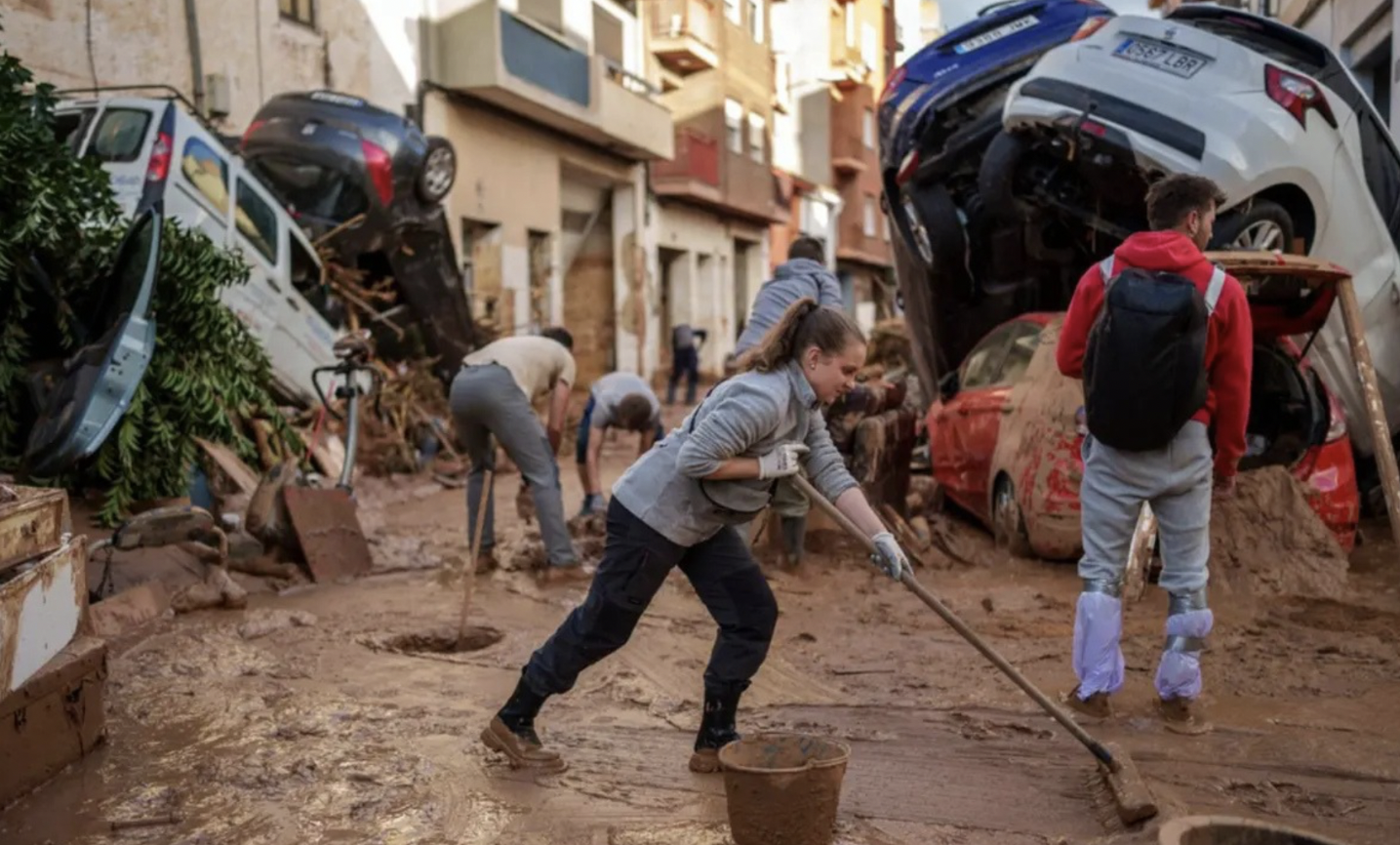
The historic flooding last November in Valencia, Spain, was unspeakably devastating, causing significant loss of life, widespread property damage, and severe economic disruption. The region experienced torrential rainfall that led to flash floods, inundating streets, homes, and businesses. The impact of this extreme weather event has been far-reaching…